

Switching to Heat Pumps in Los Angeles: 2026 Rebates and Energy Savings for San Fernando Valley Homeowners
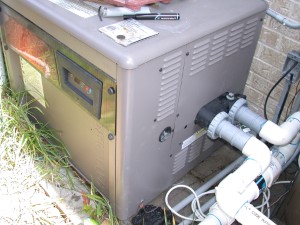
Los Angeles homes are perfect for modern heat pumps. If you are exploring an efficient way to heat and cool your home this year, a properly sized system can bring steady comfort and lower energy use. Start by learning what a professional heat pump installation looks like for homes in neighborhoods from Sherman Oaks to Northridge.
Why Los Angeles Homeowners Are Switching to Heat Pumps in 2026
Our climate makes heat pumps shine. Winters are mild, so your system spends most of its time moving existing heat instead of making new heat. That uses less electricity than older electric resistance heaters and avoids the fuel use of aging gas furnaces. In summer, the same outdoor unit cools like a high-efficiency air conditioner.
Homeowners in the San Fernando Valley often mention three reasons for the switch: comfort, air quality, and predictability. Variable-speed compressors smooth out temperature swings during hot afternoons in Van Nuys or Chatsworth, while sealed refrigeration keeps indoor air cleaner than space heaters. Utility programs and modern controls help you track energy use so bills are more consistent month to month.
How Heat Pumps Perform In The San Fernando Valley Climate
When the Valley heats up, heat pumps act like efficient AC units. When the evenings cool off, they reverse and deliver gentle, even heat. Because our cold snaps are short, the system rarely needs backup heat. That gives you quiet comfort without the blast-furnace feel of oversized equipment.
- Variable-speed operation helps maintain steady indoor temperatures during 100-degree valley days.
- Inverter technology reduces cycling, which can extend equipment life and cut noise around patios and side yards.
- Right-sized ductwork and sealed returns help rooms at the back of the house feel as comfortable as the living room.
For homes in hilly areas like Encino or Studio City, careful placement protects the outdoor unit from debris and canyon winds. Proper refrigerant line lengths and clear airflow paths matter in tight side yards that are common on Valley lots.
2026 Rebates And Incentives: What Los Angeles Residents Should Know
Los Angeles homeowners have access to utility incentives in 2026, including programs offered through LADWP and regional partners. These rebates typically apply to qualifying heat pumps and related upgrades. The details can change during the year, so program rules, eligible models, and documentation needs are updated from time to time. Plan your project timeline around application windows and final inspections to avoid delays.
Local tip: Check your utility account name and service address before applying. If the account holder name does not match your permit or invoice, applications can be delayed. Save photos of equipment labels and final paperwork in one folder so you can upload them quickly.
Many homeowners combine heat pump rebates with weatherization upgrades. Sealing ducts and improving attic insulation help the system run at lower speeds for longer, which often feels more comfortable. If you are considering an electric heating conversion in Los Angeles, ask how panel capacity and dedicated circuits factor into rebate eligibility and scheduling.
Choosing The Right System: All‑Electric Vs. Dual Fuel
In Los Angeles, most homes do well with an all-electric heat pump. It handles heating and cooling year-round and simplifies maintenance. Some homeowners prefer a dual fuel setup that pairs a heat pump with a gas furnace. The heat pump runs most of the year, and the furnace takes over on the rare very cold morning.
Here is a simple way to think about it:
- All-electric is streamlined, great for households focused on lower direct emissions and simple upkeep.
- Dual fuel offers flexibility for homes with existing gas lines, tight electrical panels, or unique comfort preferences.
Avoid oversizing. A right-sized system improves humidity control during late-summer heat and reduces short cycling in winter. Ask your installer for a room-by-room load calculation that considers window orientation, insulation levels, and duct layout.
What To Expect During Professional Heat Pump Installation
Every home is different, but a typical project follows a clear path. Your consultant inspects your current equipment, evaluates ducts, and checks electrical capacity. They recommend equipment options, including quiet outdoor units that suit LA lot lines and setbacks. On installation day, the crew protects floors, sets the condenser on a stable pad, connects refrigerant lines, and commissions the system with factory tools.
For homes switching from wall heaters or aging furnaces, we plan for thermostat placement and clean routing to the air handler. We also confirm condensate drainage, which is important in older crawlspace homes across the Valley. If you are exploring upgrades, read more about our broader heating services and how they tie into comfort and indoor air quality.
When your project is complete, your team shows you how to use the thermostat schedules and app controls. This is where small tweaks make a big difference. Setbacks that are too deep can erase savings. Gentle schedules keep your home steady and can reduce strain on the grid during peak hours.
Operating Costs And Energy Savings Without The Guesswork
Energy savings are real, but exact numbers depend on your home, habits, and the equipment you are replacing. Valley homes that previously used electric resistance heaters or older AC units often see the biggest change. Homes coming from mid-efficiency gas furnaces still gain comfort and control, and many see lower annual energy use when the duct system is sealed and right-sized.
Focus on the parts you can control:
- Schedule a professional load calculation so the system is matched to your home.
- Seal and balance ducts to deliver air evenly to bedrooms and living spaces.
- Use moderate thermostat schedules. Small setpoint changes can add up over a season.
- Keep outdoor clearances open so the system can breathe during leaf fall and spring growth.
Curious about equipment features and seasonal care? Browse practical advice on our hvac tips page for planning checklists and maintenance reminders specific to Southern California weather.
Maintenance Habits That Protect Your Investment
Heat pumps prefer clean airflow. Replace filters on schedule and keep supply and return grilles free of dust. A spring and fall tune-up helps find small issues before summer heat or winter rain. During service, a technician checks refrigerant levels, cleans coils, and verifies sensors, which protects performance and comfort.
Do not skip annual maintenance. Skipping tune-ups can shorten equipment life and reduce comfort in back bedrooms, especially in larger Valley homes. If you notice rooms that lag behind, ask about airflow testing and balancing. Service visits can also update you on new thermostat features that shift some cooling to off-peak hours to smooth out bills.
Common Questions From San Fernando Valley Homeowners
Will a heat pump keep up on the coldest Valley mornings? Yes, because Los Angeles winters are short and mild compared to colder regions. Systems designed for our climate maintain steady heat without hot-and-cold swings. If you prefer a safety net, a dual fuel setup gives you another option without sacrificing day-to-day efficiency.
What about noise? Modern outdoor units are quieter than older ACs. Placement, anti-vibration pads, and thoughtful line routing keep patios usable and neighbor-friendly. Your consultant can point out locations that protect airflow and minimize sound reflections off fences and walls.
Plan ahead for rebates. Paperwork is easier when invoices, model numbers, and permit documents match exactly. Keep digital copies ready, and confirm program deadlines with your utility before demolition or equipment removal. This extra step saves time during final approval.
When An Electric Heating Conversion Makes Sense In Los Angeles
If your furnace is near the end of its life, your ductwork needs attention, or you want better summer comfort, an electric conversion is worth a look. Heat pumps offer one system for both heating and cooling, which simplifies space planning in smaller LA homes and ADUs. They also pair well with rooftop solar, which many homeowners across the Valley use to offset daytime cooling.
Because panel capacity and circuit availability vary by home, the right plan balances equipment choice with your electrical setup. Your consultant can coordinate with your electrician so the installation stays efficient and tidy. That way you avoid surprises during inspection and keep your rebate timeline on track.
Ready To Compare Options And Next Steps
If you are weighing options, review your goals first: comfort, energy use, air quality, or future electrification plans. Then consider whether all-electric or dual fuel matches your home and preferences. A short site visit answers most of these questions and sets up a precise proposal without guesswork.
To see how a system would work in your home, take a closer look at our approach to heat pump installation and commissioning. You can also learn how these systems connect to broader comfort strategies by scanning our heating services overview.
Take The Next Step With Speedy Refrigeration
Whether you live in Reseda, Granada Hills, or Toluca Lake, our team designs systems for LA homes and LA weather. Explore more about heat pumps in Los Angeles, then schedule a visit to see what fits your space and timeline. For fast help, call 323-252-0293 and talk to a local comfort specialist today.
Your comfort matters. If you want a quieter home, steadier temperatures, and a path to long-term efficiency, our certified team is ready to help from first walkthrough to final inspection.